Buried Gas Line Installation

Long-Lasting Buried Gas Line Installation for Union County Homes When buried gas lines are installed improperly or age without inspection, homeowners may notice subtle signs like uneven lawn settling, occasional gas odors near the ground, or sporadic issues with outdoor gas appliances. What often begins as a minor concern can lead to safety risks and […]

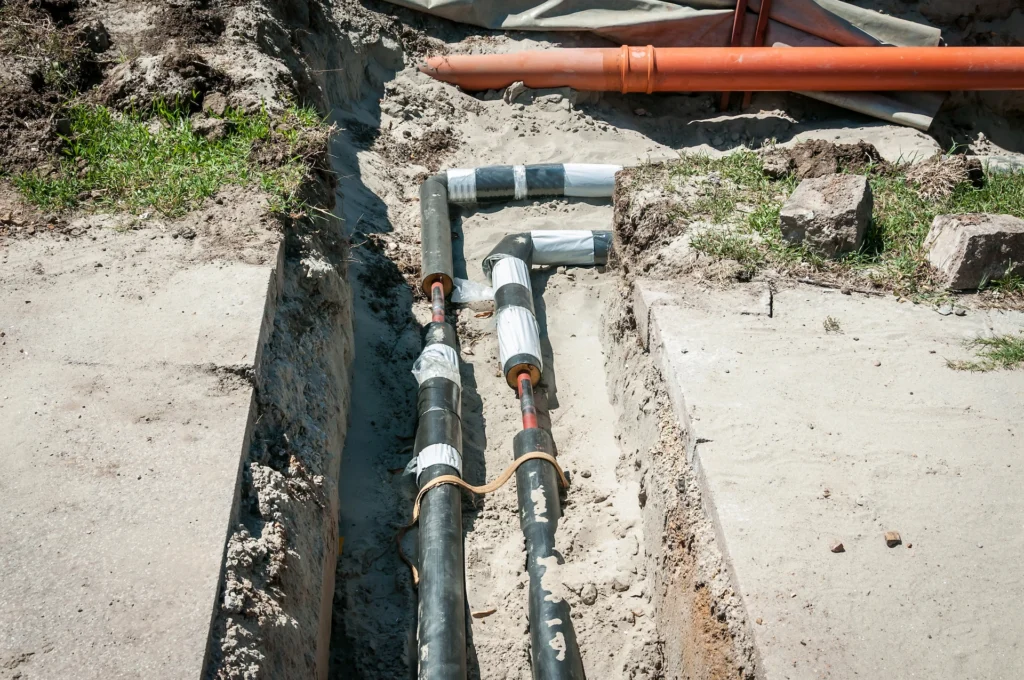
Buried Gas Lines running through sidewalk
Ready to Schedule Your Service?

Long-Lasting Buried Gas Line Installation for Union County Homes

When buried gas lines are installed improperly or age without inspection, homeowners may notice subtle signs like uneven lawn settling, occasional gas odors near the ground, or sporadic issues with outdoor gas appliances. What often begins as a minor concern can lead to safety risks and unreliable performance over time. At Chapman Bros. Plumbing, Heating & Air Conditioning, we understand the unique soil conditions and utility patterns of Union County and Central New Jersey, and we’ve been addressing underground utility needs with care and experience since 1932.

Professional Buried Gas Line Installation

Underground gas line work isn’t simply digging and laying pipe. Soil composition, frost depth, existing utilities, and local codes all influence how an installation must be executed. Our technicians start with a detailed evaluation of your property and intended usage requirements; whether it’s for a new outdoor kitchen, a replacement line to a detached garage heater, or service to a generator. Above all, our focus is on safe, long-lasting performance that integrates seamlessly with your home’s existing systems.

Craftsmanship & Process

At Chapman Bros. Plumbing, Heating & Air Conditioning, buried gas line installation is carried out with the same attention to detail that has defined our work since 1932. Our technicians are licensed, experienced, and versed in the latest code requirements specific to Union County and Central New Jersey. We take care to clearly mark and map utilities before excavation, maintaining clean and respectful job sites throughout the process.

Benefits of Professional Repiping & Re-Lining

Once the line is in place, we perform pressure testing and leakage checks to verify integrity before backfilling. Our goal is minimal disruption to your landscaping and property, combined with a level of workmanship that lasts; because durable installation and thoughtful execution matter for safety and long-term performance.

  • Improved Safety: Proper installation reduces the risk of leaks and exposure, protecting your family and home.
  • Reliable Performance: Correct depth and quality materials ensure consistent gas delivery to your appliances.
  • Reduced Repair Risk: Built to standards, professionally installed lines are less prone to damage from soil shifts or corrosion.
  • Long-Term Savings: Avoid frequent fixes or emergency calls by investing in a durable, code-compliant system.
  • Peace of Mind: Inspections, testing, and documented installation give you confidence in your gas infrastructure.
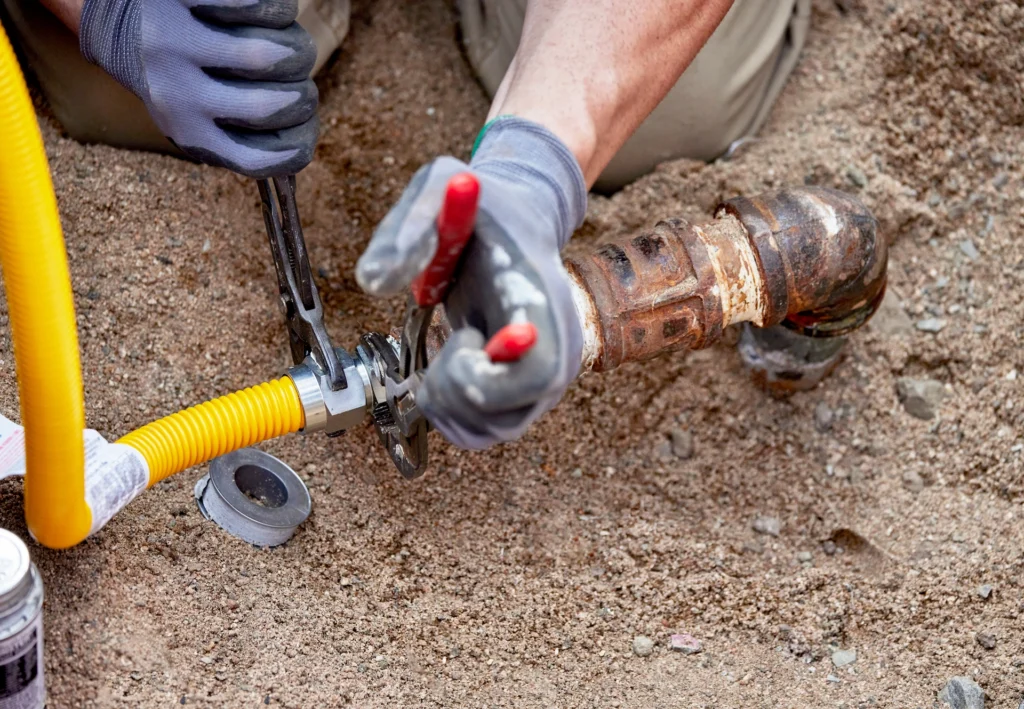
Technician Installing Buried Gas Line

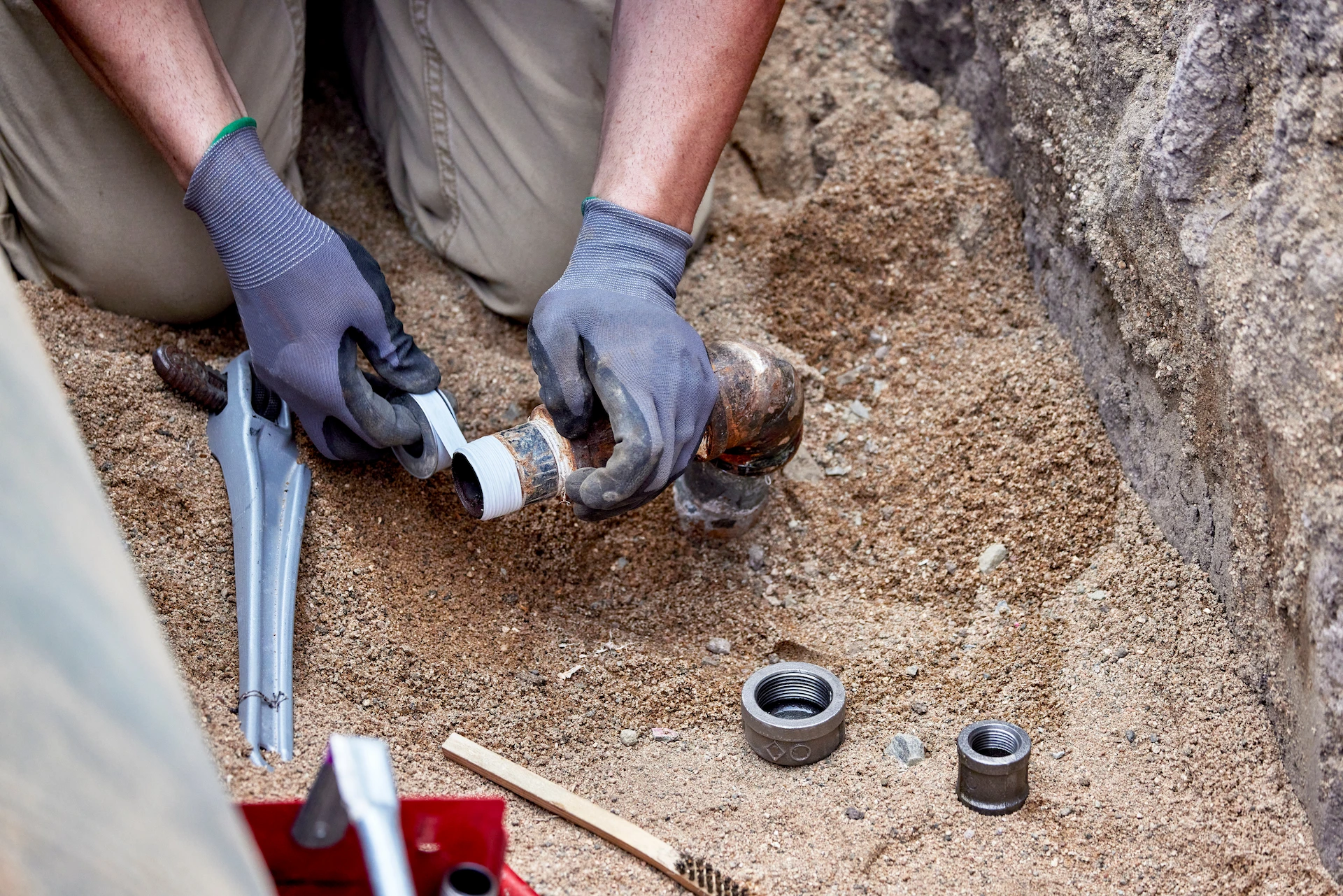
Technician Affixing new buried gas line

Schedule Buried Gas Line Installation in Union County, NJ

When you’re considering new buried gas service or replacing an aging line, it helps to talk with a team that understands local conditions and safety standards. At Chapman Bros. Plumbing, Heating & Air Conditioning, we provide thorough evaluations, clear guidance, and dependable installation work tailored to your needs. Call or contact us online to request an estimate from our trusted local team. We approach every job with care, integrity, and respect for your home.

Call Us Anytime

24/7 availability for emergencies.

Flexible Scheduling

Choose a time that works best for you.

Fast Response

Same-day & next-day services available.

Why Homeowners Trust Chapman Bros.

For generations, Central New Jersey families have relied on Chapman Bros. Plumbing, Heating & Air Conditioning for utility installation work grounded in experience and craftsmanship:

  • Locally owned since 1932
  • Licensed & experienced technicians
  • Old World craftsmanship with modern standards
  • Durable materials and thoughtful installation
  • Responsive service throughout Union County & surrounding communities
  • A commitment to workmanship and homeowner satisfaction
Buried Gas Lines running through sidewalk
Frequently Asked Questions
What is the difference between "Yellow Pipe" and traditional steel for underground use?
For buried installations, we almost exclusively use High-Density Polyethylene (HDPE), commonly known as “Yellow Pipe,” rather than traditional black iron or galvanized steel. Steel pipes are prone to corrosion and “pitting” when in direct contact with soil and moisture, which leads to dangerous underground leaks. HDPE is flexible, rust-proof, and joined using heat fusion or specialized mechanical fittings that create a permanent, leak-proof bond. It is designed to withstand the chemical and physical stresses of being buried for decades without degrading.
According to most national fuel gas codes, a buried gas line must have a minimum “cover” of 12 to 18 inches, depending on whether it is under a lawn or a driveway. Additionally, because HDPE pipe is non-metallic, it cannot be detected by standard utility locators. To solve this, we install a copper tracer wire directly alongside the pipe. This allows future excavators to send an electromagnetic signal down the wire to accurately map the location of the gas line before digging, preventing accidental ruptures.
Yes, but it requires specific “sleeving” or protection protocols. If a gas line must pass under a permanent structure like a concrete slab, it is often installed inside a larger PVC sleeve or conduit. This protective sleeve ensures that if the gas line ever develops a leak, the gas is vented safely to the edges of the slab rather than becoming trapped under the concrete, where it could migrate into the home’s foundation and create an explosion hazard. The sleeve also protects the gas line from being crushed by the weight or shifting of the concrete.